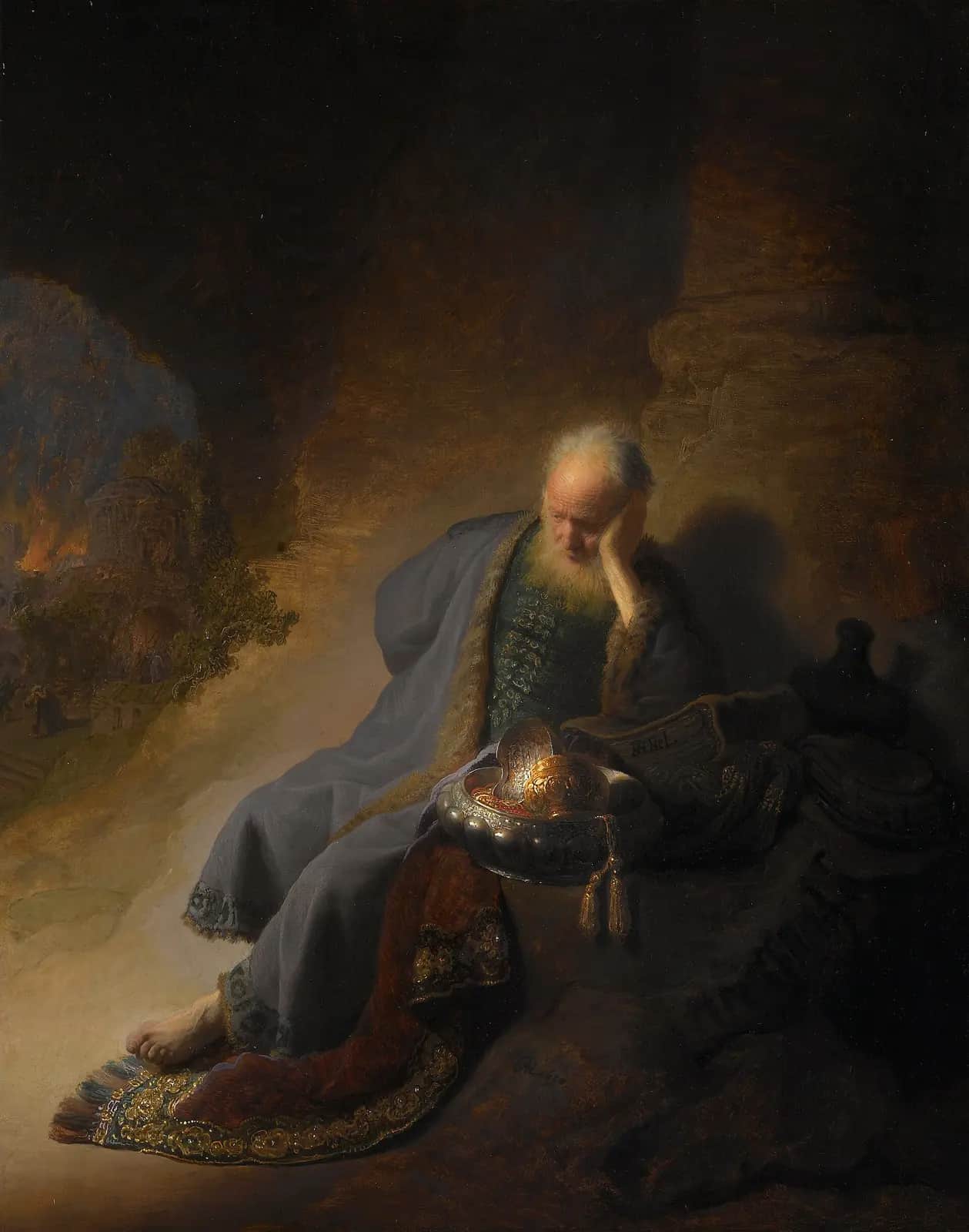
The idea
Pitre frames the dispute in stark arithmetic. If Protestants are right about Mary, then Catholic and Orthodox Christians — more than half of the world's Christians — commit idolatry on a regular basis. If Catholics and Orthodox are right, then Protestants — a little less than half — are missing what the Bible as a whole reveals about the mother of Christ. His answer to the pastor's charge of paganism is the thesis of the book: 'the Catholic Church did not get its teachings about Mary from paganism. It got them from Judaism.' The chapter ends by promising to show why ancient Christians called her 'the mother of all the living.'
Key verses
- Jeremiah 7:18 — the 'queen of heaven' — the pagan charge the thesis answers.
- Genesis 3:20 — 'the mother of all living' — the title the book will transfer to Mary (Pitre's parenthesis reads Genesis 3:22).
The connection
| Old Testament root | New Testament fulfilment | |
|---|---|---|
| Jewish Scripture and tradition | → | The Church's teaching about Mary |
Every Marian doctrine the book defends is traced to a Jewish root — Eve, the Ark, the queen mother, the birth pangs of the Messiah, Rachel. The claim is not that the doctrines are merely compatible with Judaism but that they came from it.