John 13:9 (WEB)
Simon Peter said to him, “Lord, not my feet only, but also my hands and my head!”
Catechism · 1
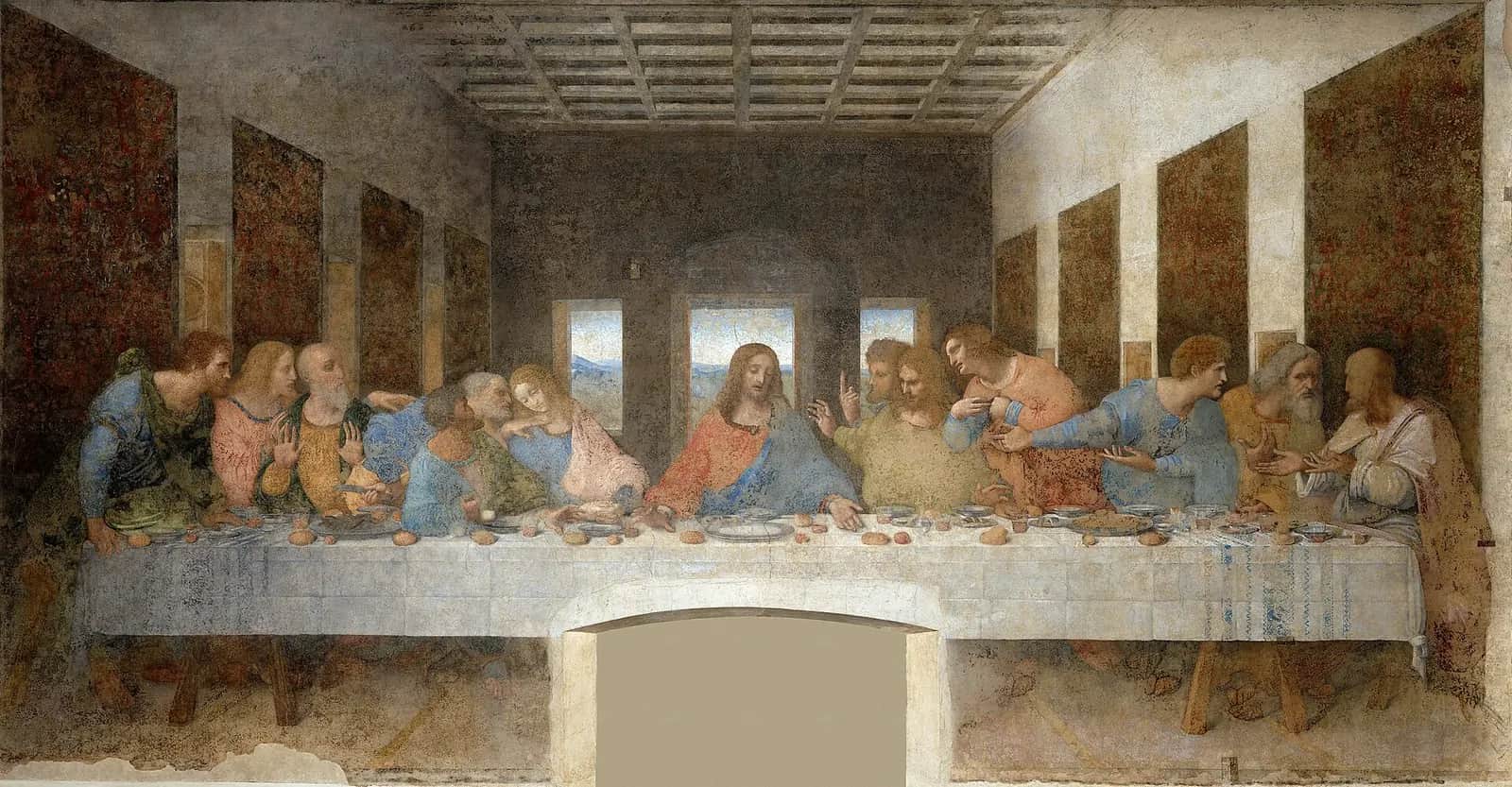
“Knowing that the hour had come to leave this world and return to the Father, in the course of a meal he washed their feet and gave them the commandment of love.” — Catechism footnote: Cf. Jn 13:1-17; 34-35.
Fathers and councils · 32
Augustine of Hippo
“…when He was speaking of strength, he added, “He is girded:” that thou mayest remember how thy God was girded in humility, when He washed His disciples’ feet. …After He had washed their feet, again He sat down; He said unto them, “Ye call me Lord and Master: and ye say well; for so I am.” — editor's note: John xiii. 4–15.
Read the whole comment“And now, in that, when about to go forth unto His Passion, He washed the feet of His disciples, and most openly taught them to do for their fellow-disciples and fellow-servants this, which He their Lord and Master had done for them; how greatly did He commend humility?” — editor's note: John xiii. 1–17
Read the whole comment
John Chrysostom
“Ver.” — the author cites it
Read the whole comment
Tertullian
“…the cup of water offered to a poor (child); recruits His strength at a well; walks over the water; willingly crosses the sea; ministers water to His disciples.” — editor's note: John xiii. 1–12.
Read the whole comment“…defined baptism to be one; (saying to Peter, who was desirous of being thoroughly bathed, “He who hath once bathed hath no necessity to wash a second time;” which, of course, He would not have said at all to one not baptized;) even here we have a conspicuous proof against those who, in order to destroy the…” — editor's note: John xiii. 9, 10.
Read the whole comment“If, also, He exercised no right of power even over His own followers, to whom He discharged menial ministry; if, in short, though conscious of His own kingdom, He shrank back from being made a king, He in the fullest manner gave His own an example for turning coldly…” — editor's note: See John xiii. 1–17.
Read the whole comment
Ambrose of Milan
“The Lord answered: “He that is washed needeth not save to wash his feet but is clean every whit.”” — editor's note: S. John xiii. 9, 10.
Read the whole comment
Gregory of Nazianzus
““I have need to be baptized of Thee;” add to this “and for Thee;” for he knew that he would be baptized by Martyrdom, or, like Peter, that he would be cleansed not only as to his feet.” — editor's note: John xiii. 9.
Read the whole comment
Catena Aurea on John
- OrigenCatena Aurea on John
As a physician, who has many sick under his care, begins with those who want his attention most; so Christ, in washing His disciples’ feet, begins with the most unclean, and so comes at last to Peter, who needed the…
Read the whole comment - Augustine of HippoCatena Aurea on John
What is the meaning of Thou and my feet? It is better to think than speak of this; lest one should fail in explaining adequately what might have been rightly conceived.
Read the whole comment - John ChrysostomCatena Aurea on John
Though Peter was the first of the Apostles, yet it is possible that the traitor petulantly placed himself above him; and that this may be the reason, why our Lord first began to wash, and then cometh to Peter.
Read the whole comment - Theophylact of OhridCatena Aurea on John
It is plain that our Lord did not wash Peter first, but none other of the disciples would have attempted to be washed before him.
Read the whole comment - John ChrysostomCatena Aurea on John
Some one will ask why none of them prevented Him, except Peter, this being a sign not of want of love, but of reverence. The reason seems to be, that He washed the traitor first, and came next to Peter, and that the…
Read the whole comment - OrigenCatena Aurea on John
Or thus: All the rest put out their feet, certain that so great a one would not want to wash them without reason: but Peter, looking only to the thing itself, and seeing nothing beyond it, refused out of reverence to…
Read the whole comment - Augustine of HippoCatena Aurea on John
Or thus: We must not suppose that Peter was afraid and refused, when the others had willingly and gladly submitted to the washing. Our Lord did not go through the others first, and to the first of the Apostles…
Read the whole comment - John ChrysostomCatena Aurea on John
i. e. How useful a lesson of humility it teaches thee, and how directly this virtue leads to God.
Read the whole comment - OrigenCatena Aurea on John
Or our Lord insinuates that this is a mystery. By washing and wiping, He made beautiful the feet of those who were to preach glad tidings, (Is. 52:7.) and to walk on that way of which He tells them, I am the way.…
Read the whole comment - Augustine of HippoCatena Aurea on John
He did not refuse, because our Lord’s act was above his understanding, but he could not bear to see Him bending at his feet: Peter saith unto Him, Thou shalt not wash my feel for ever; i. e. I will never suffer it:…
Read the whole comment - OrigenCatena Aurea on John
This is an instance, that a man may say a thing with a good intention, and yet ignorantly to His hurt. Peter, ignorant of our Lord’s deep meaning, at first, as if in doubt, says mildly, Lord, dost Thou wash my feet?…
Read the whole comment - Augustine of HippoCatena Aurea on John
If I wash thee not, He says, though it was only his feet that He was going to wash, just as we say, Thou treadest on me; though it is only our foot that is trodden on.
Read the whole comment - OrigenCatena Aurea on John
Let those who refuse to allegorize these and like passages, say how it is probable that he who out of reverence for Jesus said, Thou shalt never wash my feet, would have had no part with the Son of God; as if not…
Read the whole comment - John ChrysostomCatena Aurea on John
He does not say on what account He performs this act of washing, but only threatens him. For Peter was not persuaded by the first answer: Thou shalt know hereafter: he did not say, Teach me then that I may submit.…
Read the whole comment - OrigenCatena Aurea on John
This saying we may use against those who make hasty and indiscreet resolutions. By shewing them, that if they adhere to these, they will have no part with Jesus, we disengage them from such resolves; even though they…
Read the whole comment - Augustine of HippoCatena Aurea on John
But he, agitated by fear and love, dreaded more the being denied Christ, than the seeing Him at His feet: Simon Peter saith unto Him, Lord, not my feet only, but also my hands and my head.
Read the whole comment - OrigenCatena Aurea on John
Jesus was unwilling to wash hands, and despised what was said of Him in this respect: Thy disciples wash not their hands when they eat bread. (Matt. 15:2) And He did not wish the head to be submerged, in which was…
Read the whole comment - Augustine of HippoCatena Aurea on John
Clean all except the feet. The whole of a man is washed in baptism, not excepting his feet; but living in the world afterwards, we tread upon the earth. Those human affections then, without which we cannot live in…
Read the whole comment - OrigenCatena Aurea on John
It was impossible that the lowest parts and extremities of a soul should escape defilement, even in one perfect as far as man can be; and many, even after baptism, are covered up to their head with the dust of…
Read the whole comment - Augustine of HippoCatena Aurea on John
From what is here said, we understand that Peter was already baptized. Indeed that He baptized by His disciples, shews that His disciples must have been baptized, either with John’s baptism, or, which is more…
Read the whole comment - Augustine of HippoCatena Aurea on John
And ye are clean, but not all: what this means the Evangelist immediately explains: For He knew who should betray Him; therefore said He, Ye are not all clean.
Read the whole comment - OrigenCatena Aurea on John
Ye are clean, refers to the eleven; but not all, to Judas. He was unclean, first, because he cared not for the poor, but was a thief; secondly, because the devil had put it into his heart to betray Christ. Christ…
Read the whole comment - Augustine of HippoCatena Aurea on John
Or, the disciples when washed had only to have their feet washed; because while man lives in this world, he contracts himself with earth, by means of his human affections, which are as it were his feet.
Read the whole comment - John ChrysostomCatena Aurea on John
Or thus: When He calls them clean, you must not suppose that they were delivered from sin before the victim was offered. He means cleanness in respect of knowledge; for they were now delivered from Jewish error.
Read the whole comment
Cross-references · 8
Cited together in Augustine of Hippo on John 13:6–11 (6) (Catena Aurea).
Cited together in Origen on John 13:6–11 (9) (Catena Aurea).
Cited together in On the Mysteries Chapter 6.
Cited together in On the Mysteries Chapter 6.
Cited together in On the Mysteries Chapter 6.
Cited together in On the Mysteries Chapter 6.
Cited together in Origen on John 13:6–11 (3) (Catena Aurea).
Cited together in Origen on John 13:6–11 (7) (Catena Aurea).