The idea
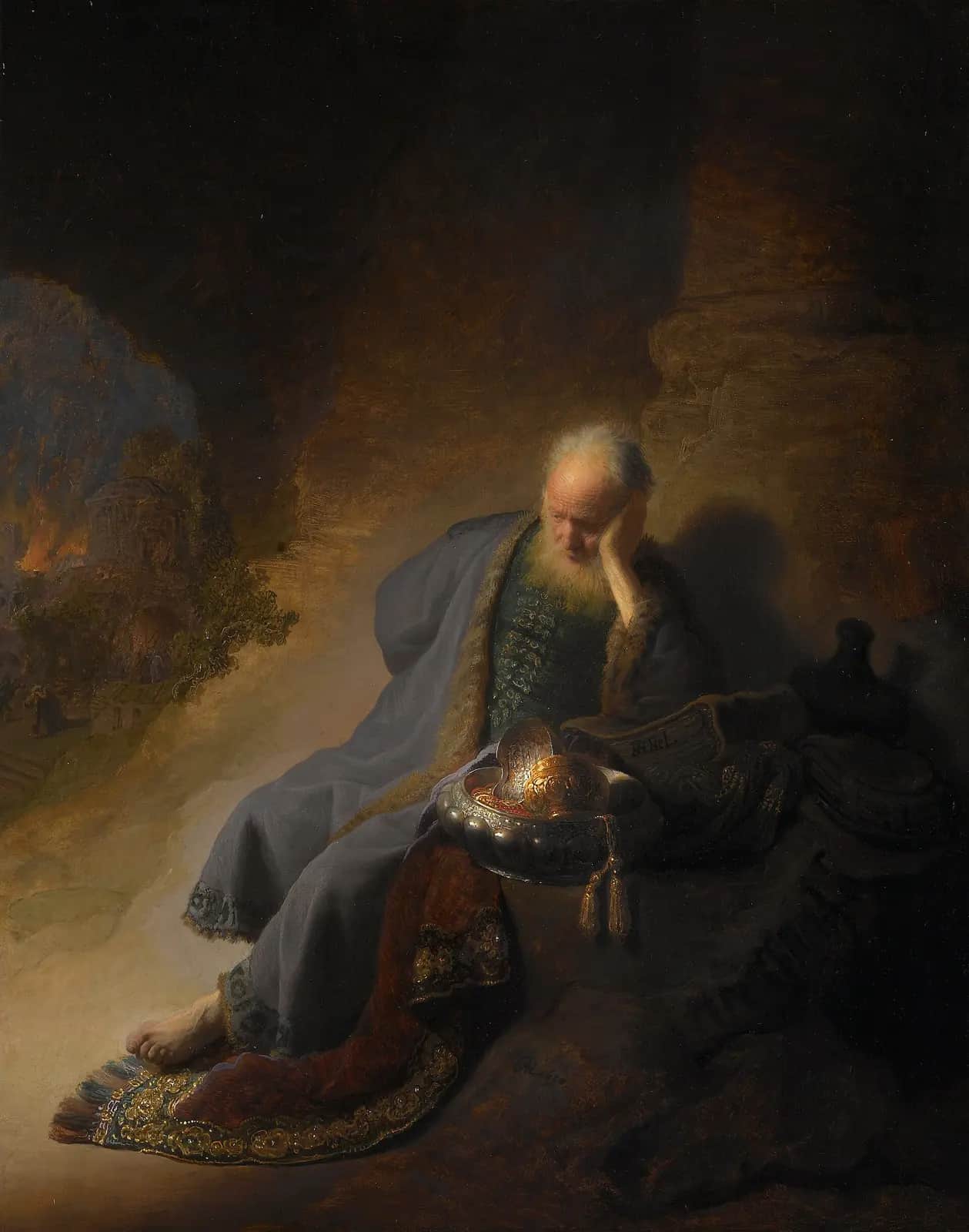
This is the objection with which the book opens: a Baptist pastor challenged Pitre with Jeremiah's 'queen of heaven' (pp 11–12). The queen of heaven Jeremiah denounces was a goddess whom Israelites worshiped with cakes, incense and drink offerings — a false deity given the sacrifice due to God alone (Pitre does not name the goddess). Mary's queenship is a wholly different thing: the Davidic office of the queen mother (gebirah), a human mother honored as intercessor, never worshiped as a goddess — the answer chapter 4 develops, where Epiphanius himself turns Jeremiah's verse against those who offered sacrifice to Mary (p 88).
Key verses
- Jeremiah 7:18 — cakes baked 'to the queen of heaven' — a pagan goddess.
- Jeremiah 44:17 — Israelites insist on worshiping her — the idolatry condemned (editorial cross-reference; Pitre quotes 7:17–18 and, through Epiphanius, the Septuagint's 51:18 = 44:18).
- 1 Kings 2:19 — the true model: the king's mother honored at his right hand.
The connection
| Old Testament root | New Testament fulfilment | |
|---|---|---|
| A pagan goddess worshiped as divine | → | The Davidic queen mother, honored not worshiped |
Pitre's point is that the two must never be confused: Scripture condemns treating any creature as a goddess, yet it also establishes a queen mother who intercedes with the king. Marian queenship belongs to the second category, not the first.
Sources
- Epiphanius of Salamis — Panarion 78–79, quoting Jeremiah against the Collyridians (pp 87–88) · read