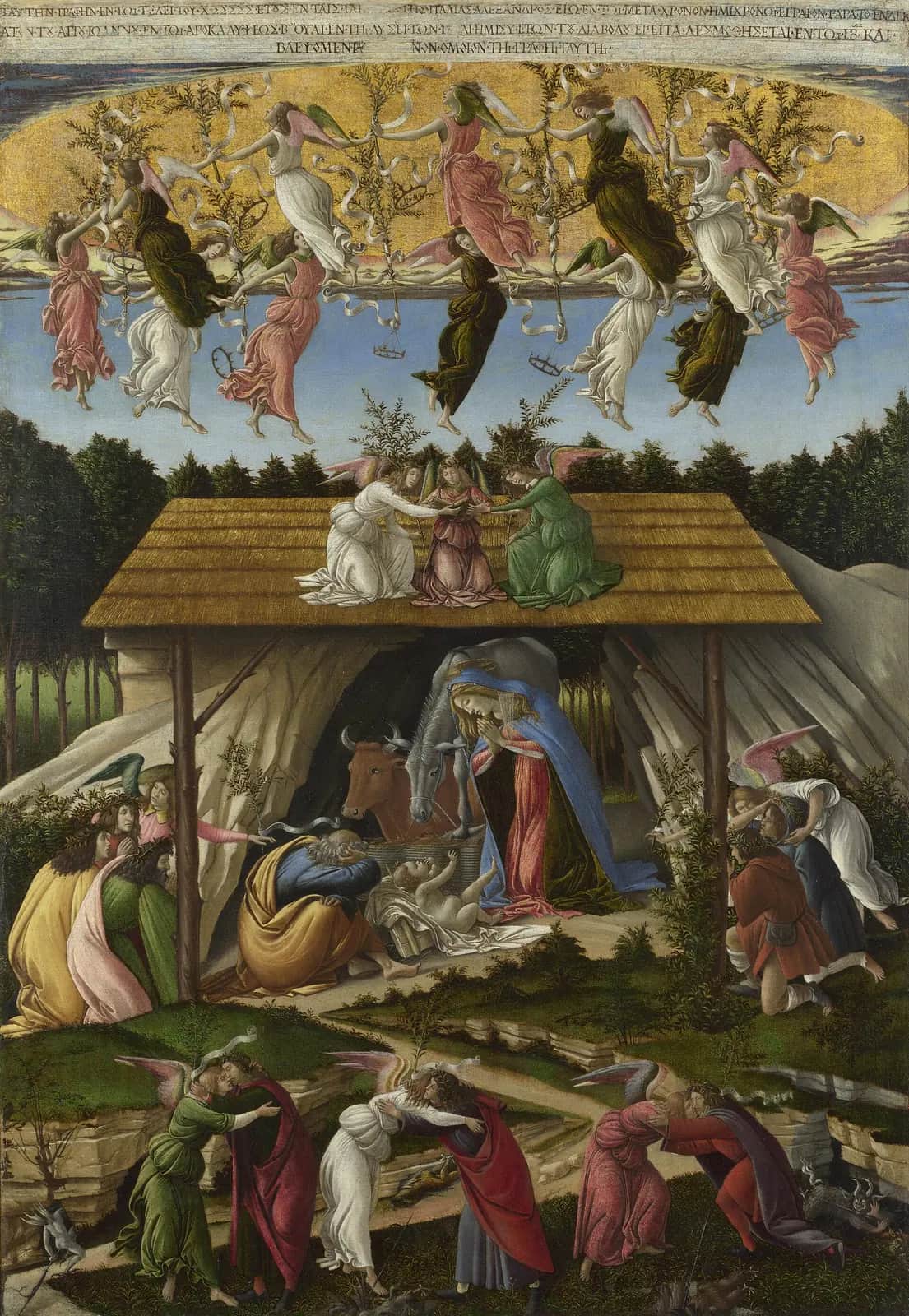
The idea
Three observations on 'before she travailed, she brought forth.' First, it comes immediately after the oracle of 'new heavens and a new earth' in which no one labours in vain and women do not 'bear children for calamity' — the two effects of the fall undone; the painless birth is 'an act of the new creation,' and 'unprecedented' ('Who has heard such a thing?'). Second, the mother is deliberately ambiguous: an individual woman bearing a son in verse 7, the city of Zion bearing children in verse 8. Third, Jewish writings outside the Bible consistently link the passage with the Messiah's birth: the Targum ('her king will be revealed'), Genesis Rabbah ('the light of the Messiah… the first redeemer'), and Leviticus Rabbah ('in this world a woman bears children with pain, but of the time to come…'). Pain in childbirth belongs by definition to the old creation.
Key verses
- Isaiah 66:7 — a son born before the pain.
- Isaiah 66:8 — Zion bears her children, a nation in a day.
- Isaiah 65:17 — new heavens and a new earth.
- Isaiah 65:23 — 'nor bring forth for trouble' — Genesis 3:16 reversed.
The connection
| Old Testament root | New Testament fulfilment | |
|---|---|---|
| Zion's painless birth in the new creation | → | Mary's painless birth of the Messiah at Bethlehem |
The Fathers' belief that Mary bore Jesus without pain did not come from nowhere: it came from Isaiah 66, read as Jews read it — of the Messiah, and of the world to come in which the curse of Genesis 3:16 is lifted.
Sources
- Targums — Targum Isaiah 66:7–8 (p 121) · read
- Midrash Rabbah — Genesis Rabbah 85:1; Leviticus Rabbah 14:9 (p 121) · read · read