Catena Fidei

Search

Search arguments, verses, authorities and passages

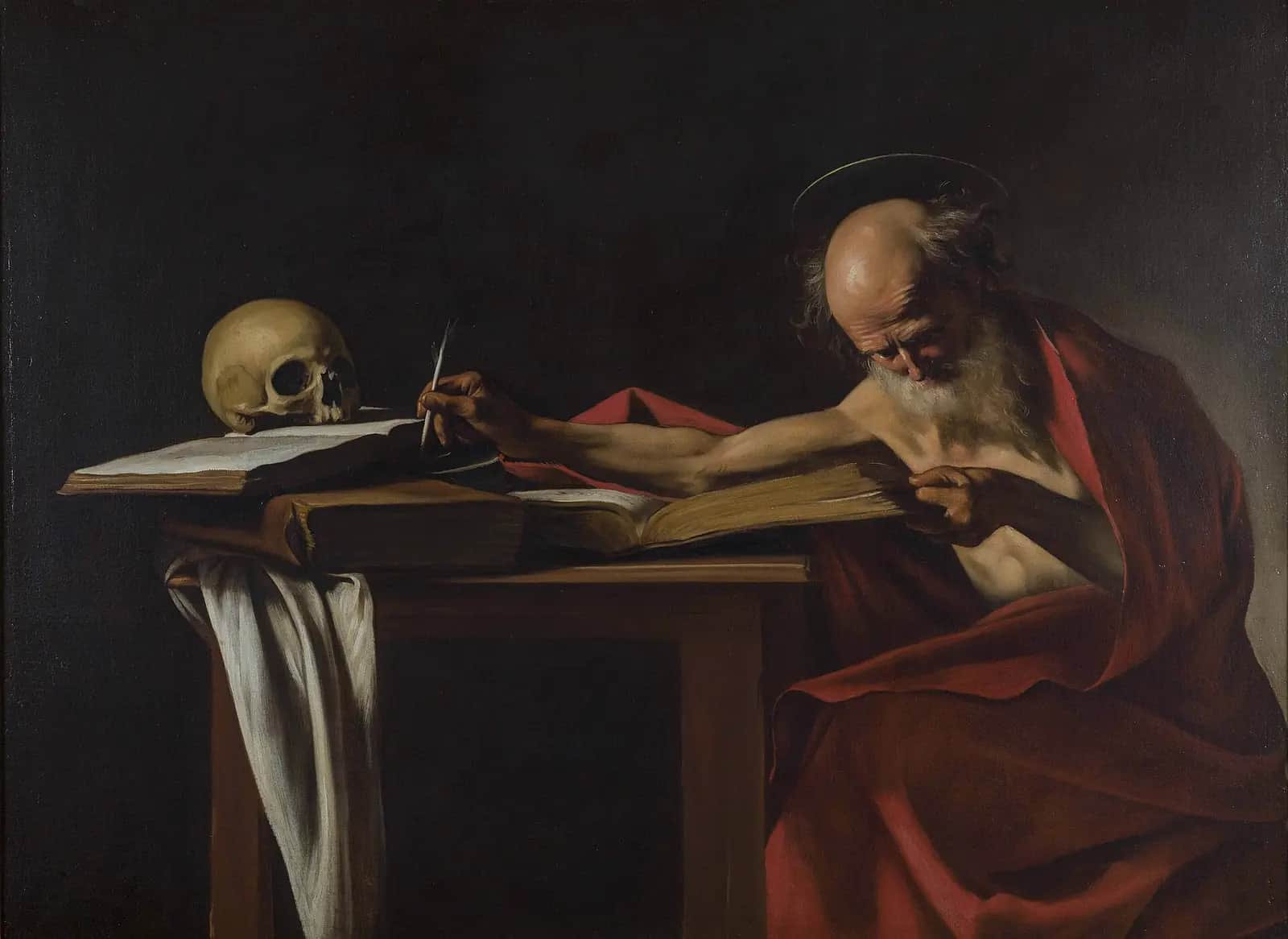
Saint Jerome Writing, Caravaggio

Catena Aurea on Matthew 5:17–19: Jerome

Caravaggio, Saint Jerome Writing, c. 1605–1606 · Galleria Borghese, Rome · Public domainCaravaggio, Saint Jerome Writing, c. 1605–1606, Galleria Borghese, Rome

CommentJeromePublic domainMatthew 5:17–19

This head is closely connected with the preceding. It is directed against the Pharisees, who, despising the commandments of God, set up traditions of their own, and means that their teaching the people would not avail themselves, if they destroyed the very least commandment in the Law.

We may take it in another sense. The learning of the master if joined with sin however small, loses him the highest place, nor does it avail any to teach righteousness, if he destroys it in his life. Perfect bliss is for him who fulfils in deed what he teaches in word.

Reproduced in full. Translation: Oxford 1841 (Newman), public domain (Public domain).

Read the full text

Connections

Part of · 1

Comments on · 3

Around this entry

Open the whole map
  • Passages
  • Documents
  • Old Testament verses
  • New Testament verses
  • Authorities
  • Favorites
  • prefigures → fulfilled
  • taught → disciple · succeeded →

Hover to trace, click to select, double-click to open.