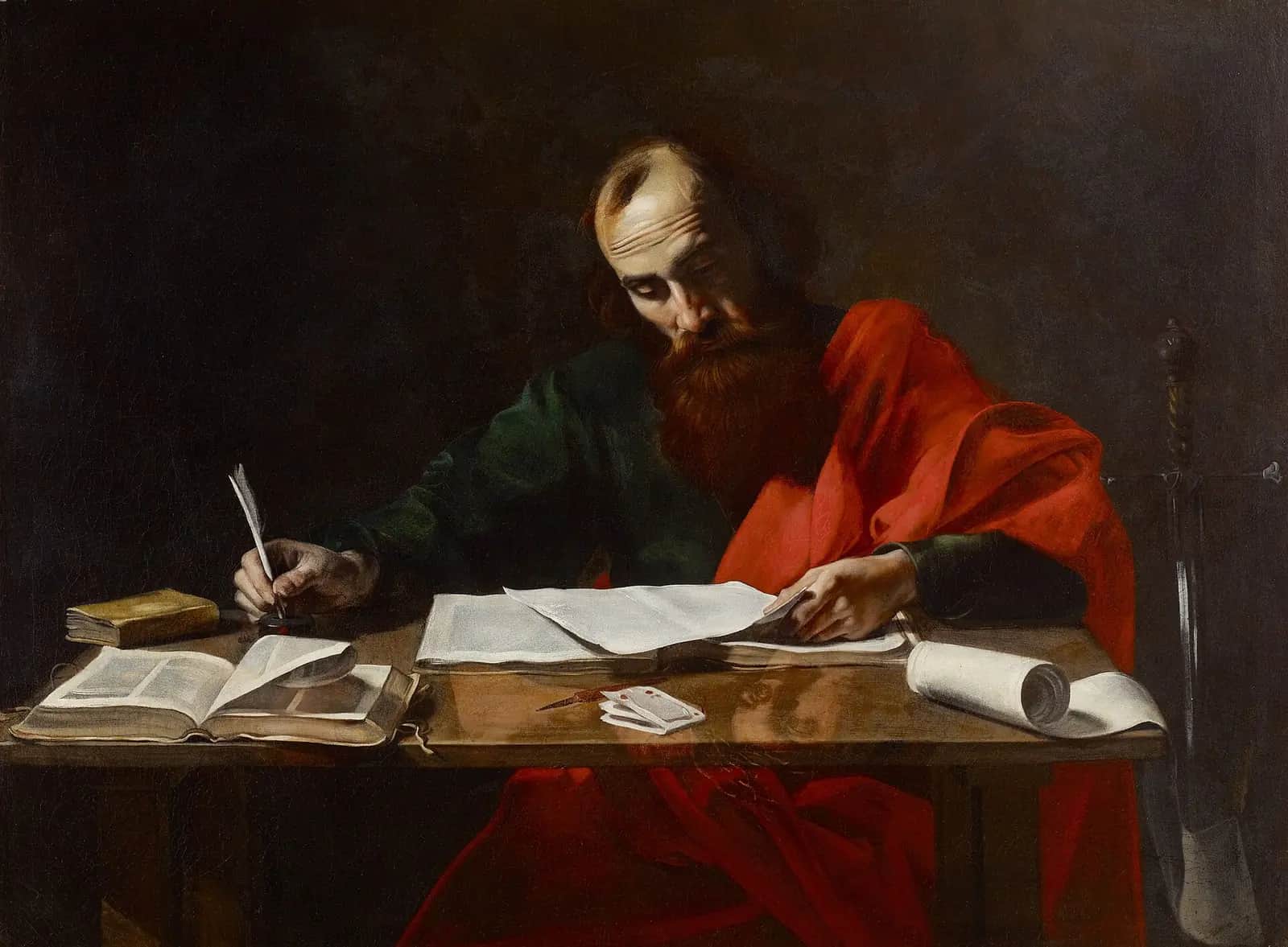
Romans 8:20 (WEB)
For the creation was subjected to vanity, not of its own will, but because of him who subjected it, in hope
Catechism · 4
"I Believe in Life Everlasting"
“We know that the whole creation has been groaning in travail together until now; and not only the creation, but we ourselves, who have the first fruits of the Spirit, groan inwardly as we wait for adoption as sons, the redemption of our bodies.” — Catechism footnote: Rom 8:19-23.
In the Old Testament
“Prayer restores man to God's likeness and enables him to share in the power of God's love that saves the multitude.” — Catechism footnote: Cf. Rom 8:16-21.
The Creator
“Conversely, the mystery of Christ casts conclusive light on the mystery of creation and reveals the end for which "in the beginning God created the heavens and the earth": from the beginning, God envisaged the glory of the new creation in Christ.” — Catechism footnote: Gen 1:1; cf. Rom 8:18-23.
"From Thence He Will Come Agaln to Judge the Living and the Dead"
“…of this world which will pass, and she herself takes her place among the creatures which groan and travail yet and await the revelation of the sons of God."” — Catechism footnote: LG 48 # 3; cf. 2 Pt 3:13; Rom 8:19-22; I Cor 15:28.
Fathers and councils · 19
Origen
“Now, with regard to these, we acknowledge that they too are “waiting for the manifestation of the sons of God,” being for the present subjected to the “vanity” of their material bodies, “by reason of Him who has subjected the same in hope.”” — editor's note: Cf. Rom. viii. 19–21.
Read the whole comment- Origen, Against Celsus VII.50Book VII
“…of all material things as vanity: thus, “For the creature was made subject to vanity, not willingly, but by reason of him that subjected the same in hope;” at other times as vanity of vanities, “Vanity of vanities, saith the Preacher, all is vanity.”” — editor's note: Rom. viii. 20.
Read the whole comment - Origen, Against Celsus VII.65Book VII
“…for the revelation of the sons of God;” and “the creation was made subject to vanity, not willingly, but by reason of him who made it subject, in hope.”” — editor's note: Rom. viii. 19–21.
Read the whole comment - Origen, Against Celsus VIII.5Book VIII
“…praises the creature, and sees how “it shall be freed altogether from the bondage of corruption, and restored to the glorious liberty of the children of God,”—such a one cannot be induced to combine with the service of God the service of any other, or to serve two masters.” — editor's note: Rom. viii. 19, 20.
Read the whole comment “The following is the statement of the Apostle Paul: “The creature was made subject to vanity, not willingly, but by reason of Him who subjected the same in hope, because the creature itself also shall be delivered from the bondage of corruption into the glorious liberty of the children of God.”” — editor's note: Cf. Rom. viii. 20, 21.
Read the whole comment- Origen, De Principiis II.9Book II
“…according to the words of the apostle: “For the creature was made subject to vanity, not willingly, but by reason of him who hath subjected the same in hope.”” — editor's note: Rom. viii. 20, 21.
Read the whole comment - Origen, De Principiis III.6Book III
“…the same in hope, because the creature itself also shall be delivered from the bondage of corruption into the glorious liberty of the children of God,” manifestly announces the end of the world; as he does also when he again says, “The fashion of this world passeth away.”” — editor's note: Rom. viii. 20, 21.
Read the whole comment
Gregory of Nyssa
“…is joy among the angels over those who are rescued from sin, (because until now that creation groaneth and travaileth in pain at the vanity that affects us, judging our perdition to be their own loss,) when that manifestation of the sons of God takes place which they look for and expect, and when the sheep is…” — editor's note: Cf. Rom. viii. 19–23.
Read the whole comment
Tertullian
“…pit;” when likewise “the manifestation of the children of God” shall have “delivered the creature” from evil, which had been “made subject to vanity;” when the cattle restored in the innocence and integrity of their nature shall be at peace with the beasts of the field, when also little children shall play…” — editor's note: Rom. viii. 20.
Read the whole commentChapter XIV.—The Divine Power Shown in Christ’s Incarnation. Meaning of St. Paul’s Phrase. Likeness of Sinful Flesh. No Docetism in It. Resurrection of Our Real Bodies. A Wide Chasm Made in the Epistle by Marcion’s…
Read the whole comment
Ambrose of Milan
“Christ, then, is no created being; for “created beings are,” as the Apostle hath said, “given over to vanity.”” — editor's note: Rom. viii. 20.
Read the whole comment
Augustine of Hippo
“For Thou never wast without them, who hast subjected even sinful man to vanity indeed, but in hope; and not deprived him of so many and great consolations of Thy creation.” — editor's note: Rom. viii. 20.
Read the whole comment““For Thou hast regarded My humiliation:” wherein Thou hast subjected me to vanity in hope.” — editor's note: Rom. viii. 20.
Read the whole comment“Which it was profitable to the vessels of mercy to feel, that by throwing down pride, obedience might be loved, and misery perish, never again to return.” — editor's note: Gen. iii. 17, etc.; Rom. viii. 20.
Read the whole comment“The Apostle Paul, again, says, “The heir, as long as he is a child, differeth nothing from a servant;” and mentions that we have received the Spirit of adoption, “whereby we cry, Abba, Father.”” — editor's note: Rom. viii. 15–23 and Gal. iv. 1–6.
Read the whole comment
John Chrysostom
“For Scripture knoweth how to speak thus of things without life, as when it saith, “The creature was made subject to vanity, not willingly.” ( Rom. viii. 20.)” — the author cites it
Read the whole comment
Jerome
“This, he argues, is the view of the apostle who writes:—“the creation has been subjected to vanity and shall be delivered for the revealing of the sons of God.”” — editor's note: Rom. viii. 19–21, R.V.
Read the whole comment
Hilary of Poitiers
“Because also the creature itself shall be freed from the slavery of corruption into the liberty of the glory of the children of God.” — editor's note: Rom. viii. 19–21.
Read the whole comment
Hippolytus of Rome
“For (the creature) groans until now, and is tormented, and waits for the manifestation of the sons of God, in order that all who are men of the Sonship may ascend from thence.” — editor's note: Rom. viii. 19–22.
Read the whole comment
Cross-references · 30
Cited together in De Principiis II.9.
Cited together in Against Hermogenes Chapter 11.
Cited together in Catechism §671.
Cited together in Catechism §671 and 1 other place.
Cited together in Catechism §671.
Cited together in Against Celsus VII.50.
Cited together in Against Celsus VII.50.
Cited together in Catechism §671.
Cited together in Catechism §2572.
Cited together in Catechism §2572.
Cited together in Against Celsus VIII.5.
Cited together in Against Celsus VIII.5.
Cited together in Catechism §671.
Cited together in Catechism §671.
Cited together in Catechism §671.
Cited together in Catechism §671.
Cited together in Catechism §671.
Cited together in Catechism §280 and 1 other place.
Cited together in Catechism §2572.
Cited together in De Principiis III.6.
Cited together in Against Celsus VII.50.
Cited together in Against Celsus VII.50.
Cited together in Against Celsus VII.50.
Cited together in Against Celsus V.13.
Cited together in Against Celsus VII.50.
Cited together in De Principiis III.6.
Cited together in The Refutation of All Heresies VII.15.
Cited together in The Refutation of All Heresies VII.15.
Cited together in Catechism §671.
Cited together in Catechism §671.