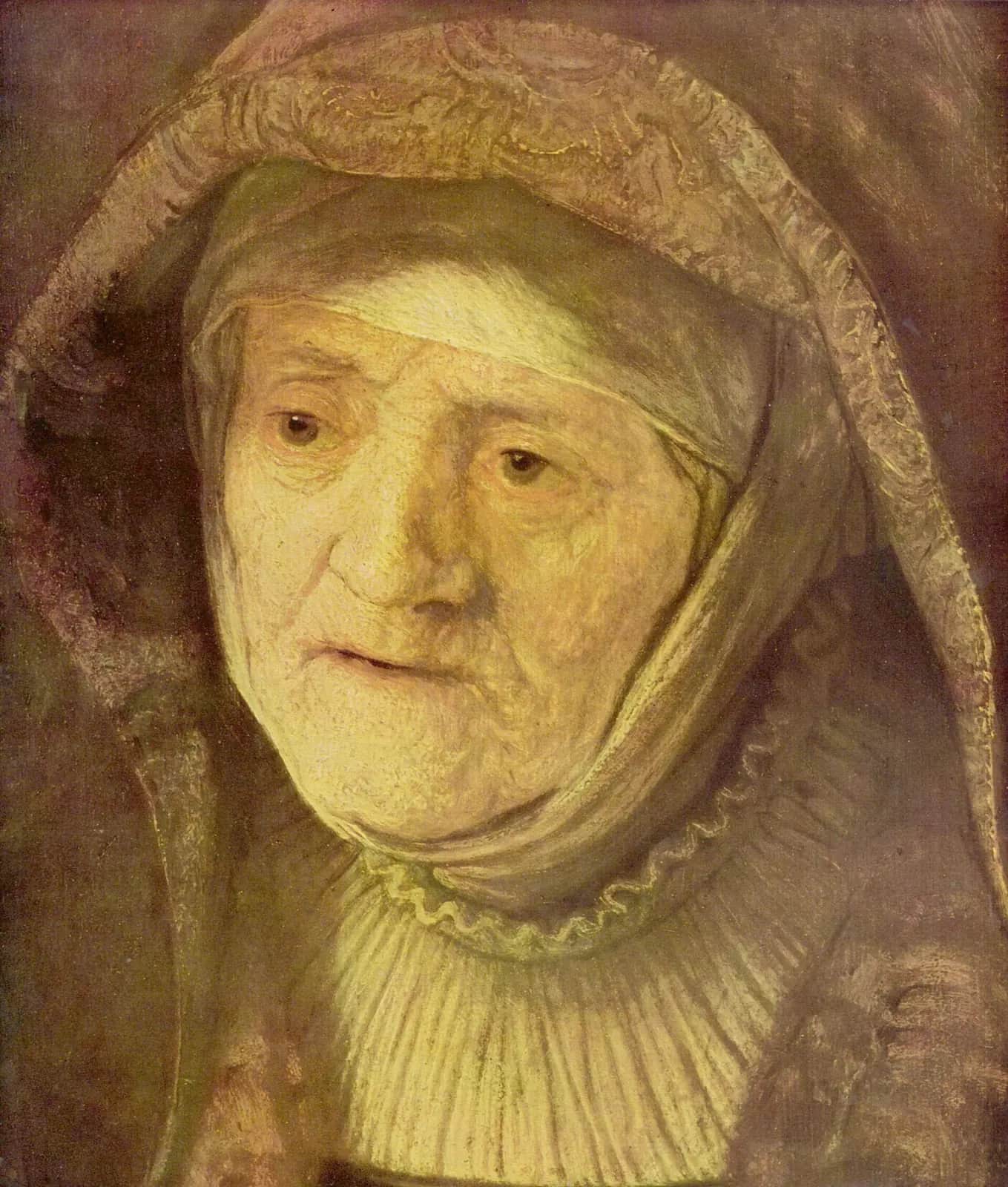
The idea
Pitre brings in Anna at one precise point (p 98): to show that the vows of Numbers 30 must be permanent. A widow's vow of abstinence from her husband would be void the moment he died, so the Law must have lifelong vows in view — and Luke's Anna, widowed after seven years and never leaving the temple, is the picture of such a life. Pitre's evidence that vowed abstinence existed in Mary's world comes from elsewhere: Josephus on the Essenes, Philo on the Therapeutae, and the Mishnah's rules for married people who vowed abstinence (p 99). Jesus' praise of 'eunuchs for the kingdom' and his teaching that there is no marriage in the resurrection explain why such a life was honoured (pp 91, 115).
Key verses
- Luke 2:36 — Anna the prophetess, a widow in the temple night and day — a lifelong vow.
- Numbers 30:6 — the vows of married women and widows (30:6–12) that Anna illustrates.
- Matthew 19:12, Luke 20:34 — 'eunuchs for the kingdom'; no marriage in the resurrection.
The connection
| Old Testament root | New Testament fulfilment | |
|---|---|---|
| Consecrated celibacy within Judaism | → | Mary's vowed virginity at home in it |
Pitre answers the claim that 'a Jewish woman would never vow virginity' with Numbers 30 and with the Essenes, the Therapeutae and the Mishnah; Anna shows that such vows were for life. Her vow fits her Judaism rather than contradicting it.