The idea
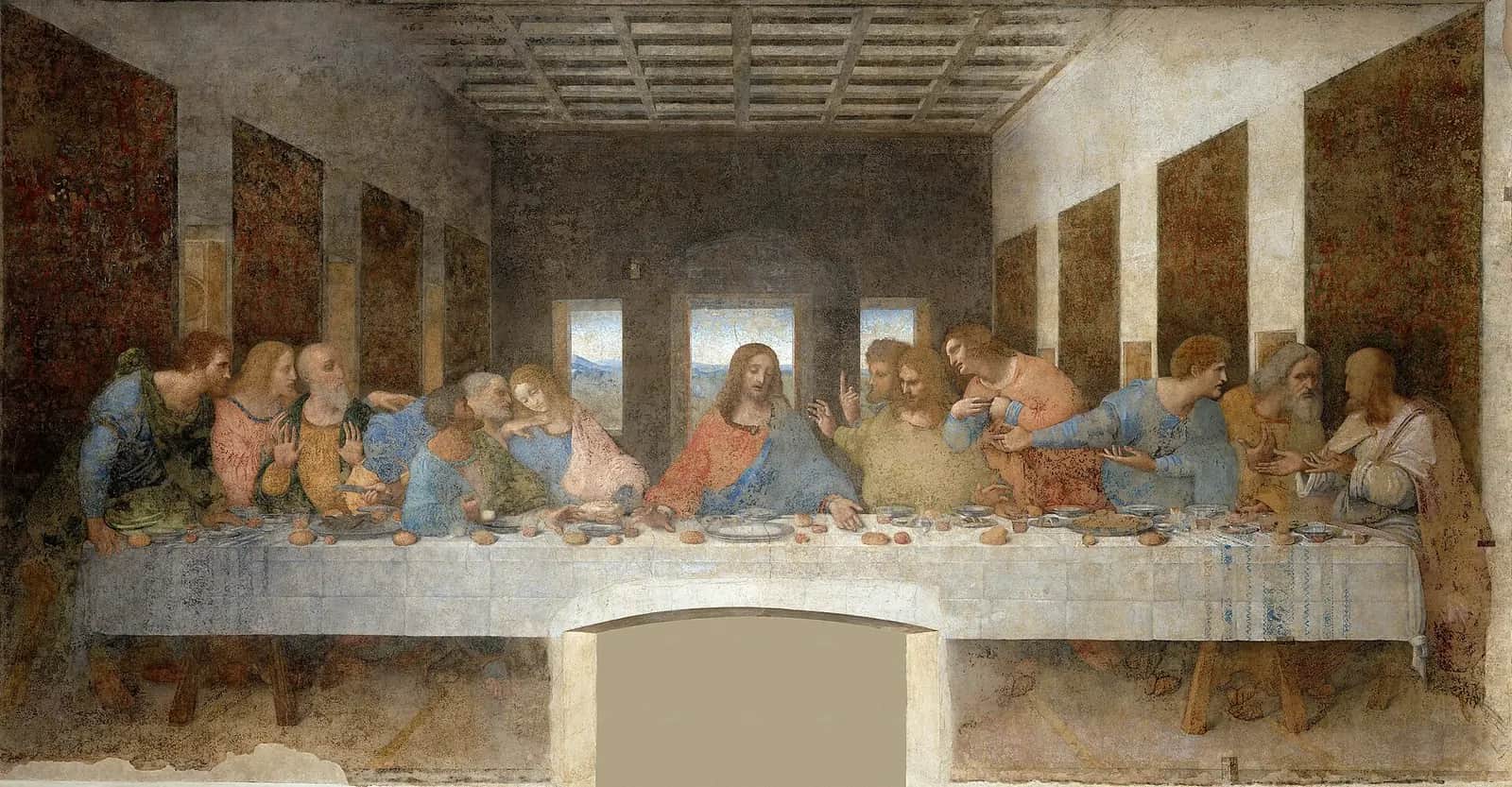
Pitre calls it 'the most ancient interpretation of Jesus' last words that we possess.' Origen, in the third century: 'The firstfruits of the Gospels is that according to John, whose meaning no one can understand who has not leaned on Jesus' breast nor received Mary from Jesus to be his mother also.' To lean on Jesus' breast and to receive Mary are the two marks of the beloved disciple, and Origen makes them the condition of reading the Gospel rightly. Pitre's gloss: 'His dying wish is for Mary to become the mother of all Christians, not just of the Beloved Disciple' — and this new relationship 'is not based on biology or blood' but on the new birth of John 1:12–13.
Key verses
- John 13:23 — leaning on Jesus' breast.
- John 19:27 — receiving Mary as mother.
- John 1:12 — children of God, born not of blood (v. 13).
The connection
| Old Testament root | New Testament fulfilment | |
|---|---|---|
| The beloved disciple at the breast and at the cross | → | The reader who takes both places — and takes Mary |
The earliest commentary on the scene already reads it as addressed to every Christian. Receiving Mary is, for Origen, part of what it means to understand the Gospel of John at all.