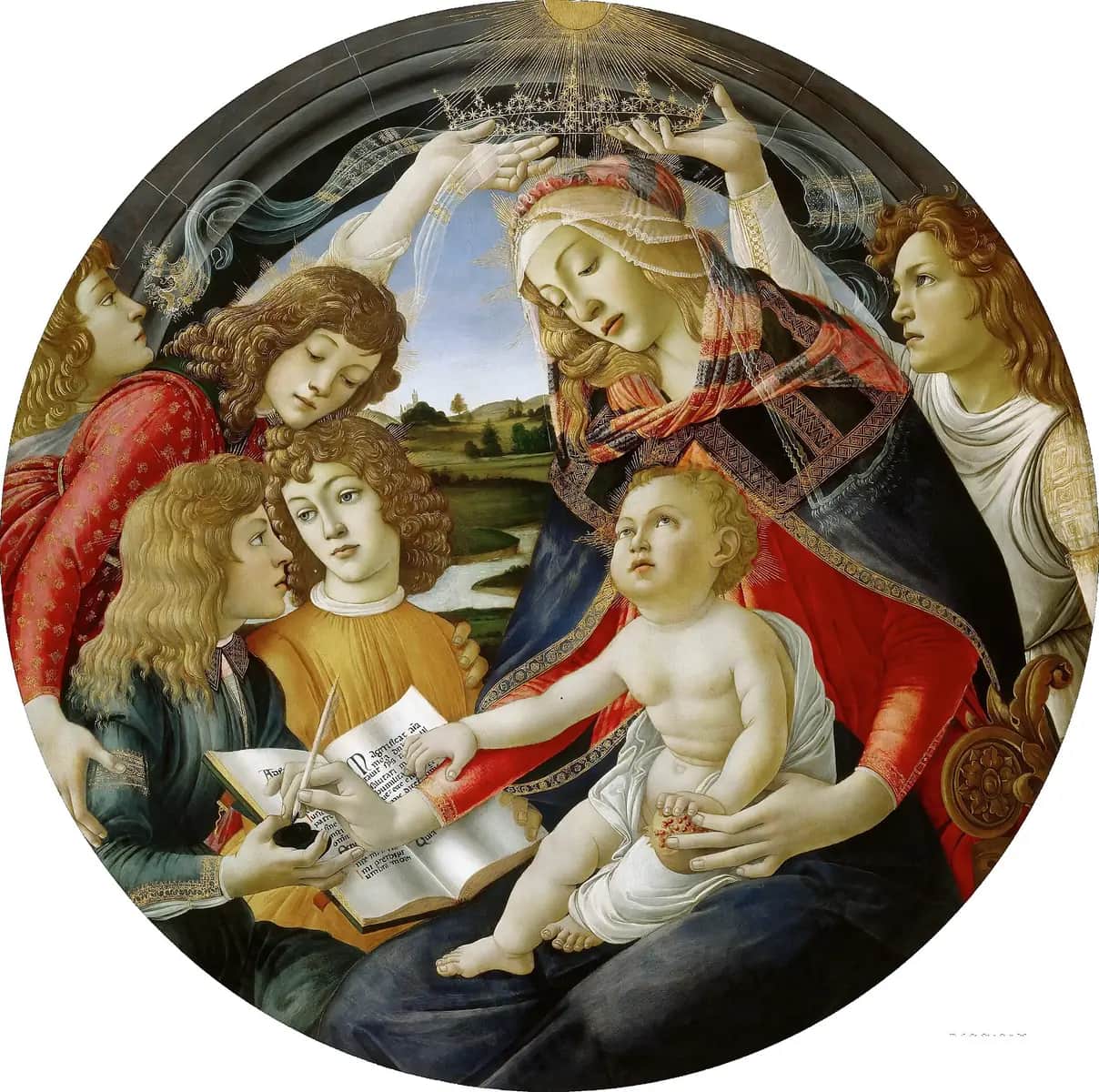
The idea
Three observations. When Mary says God 'exalted those of low degree,' she is 'referring first and foremost to herself,' having just spoken of 'the low estate of his handmaiden' — 'Mary is the personal embodiment of the poor and the lowly in Israel.' 'He has put down the mighty from their thrones' 'is royal language. It is kings and queens who sit on thrones, and when they are put down from their thrones, others must take their place.' And 'all generations will call me blessed' echoes Psalm 45:17, where the king's name is celebrated in all generations. So the Magnificat implies 'that both she and her son have been exalted to sit upon the thrones of the Davidic king and his mother.'
Key verses
- Luke 1:48 — 'the low estate of his handmaiden… all generations shall call me blessed.'
- Luke 1:52 — 'put down the mighty from their thrones… exalted them of low degree.'
- Psalm 45:17 — the king's name remembered 'in all generations.'
The connection
| Old Testament root | New Testament fulfilment | |
|---|---|---|
| The royal psalm: the king praised in every generation | → | The Magnificat: the queen mother blessed by every generation |
Mary's own song, read against the psalms, is the first witness to her queenship. The lowly handmaid and her Son take the thrones the mighty are cast down from.