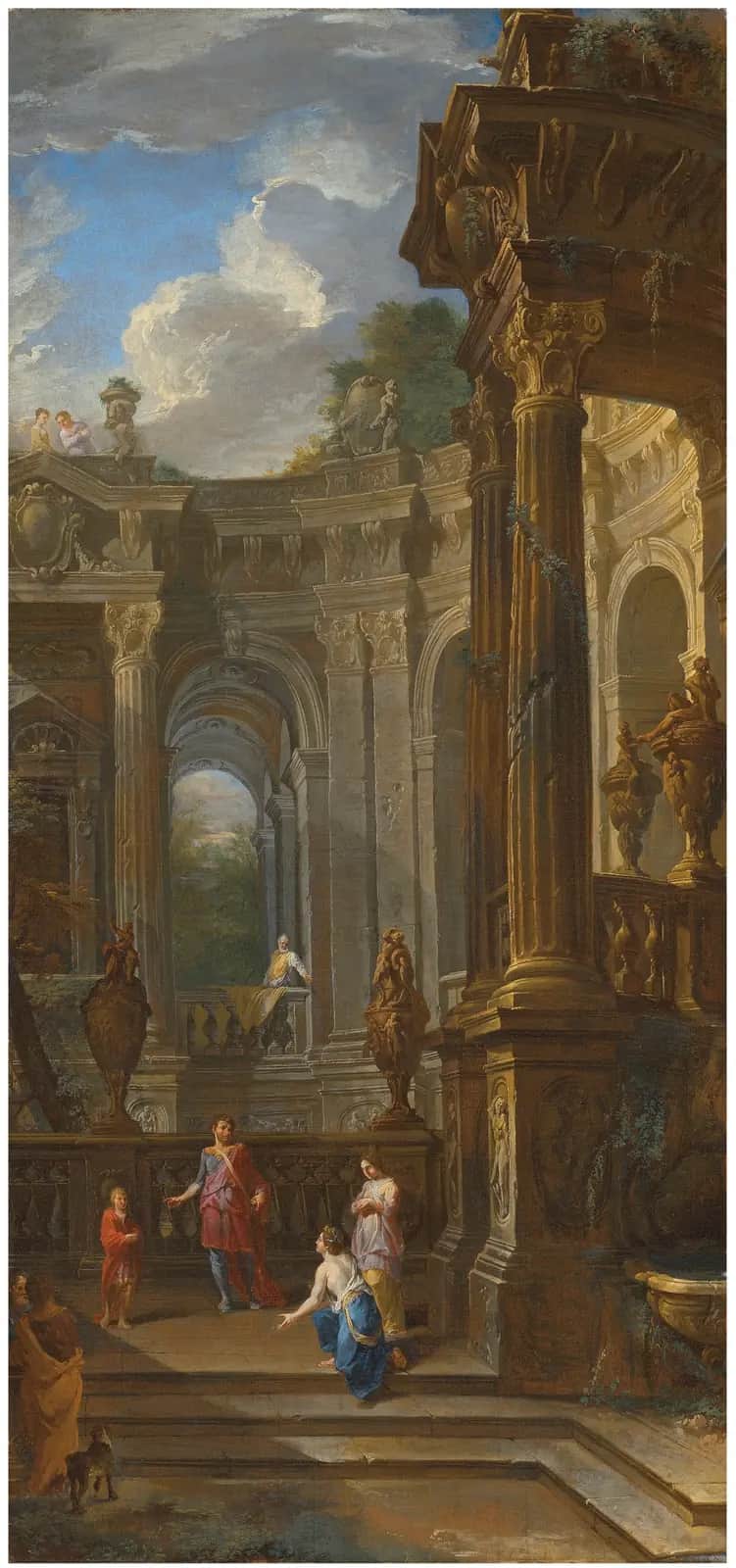
The idea
Some English versions say Solomon had a 'seat' brought for his mother. The Hebrew is kisse', the Greek thronos — 'the exact same word used in the previous verse to describe Solomon's throne.' 'It is hard to overestimate the significance of this passage.' Pitre also sets it beside 1 Kings 1: while David lived, Bathsheba bowed and did obeisance to the king and called him 'my lord'; once her son reigns 'the roles are reversed' — the king rises, bows to her, and enthrones her at his right hand. The obvious implication is that the king's mother, not his wife, is queen.
Key verses
- 1 Kings 2:19 — a throne for the king's mother at his right hand.
- 1 Kings 1:16 — Bathsheba bows to David, 'my lord.'
The connection
| Old Testament root | New Testament fulfilment | |
|---|---|---|
| Bathsheba: David's wife who bows; Solomon's mother who is enthroned | → | Mary: the mother of the King, enthroned beside him |
One Hebrew word settles who the queen was. The wife bows; the mother sits on a throne. The vault's older summary said 'seat'; the book insists on 'throne.'
Sources
- Modern scholars Pitre cites — Mordechai Cogan (p 69)