The idea
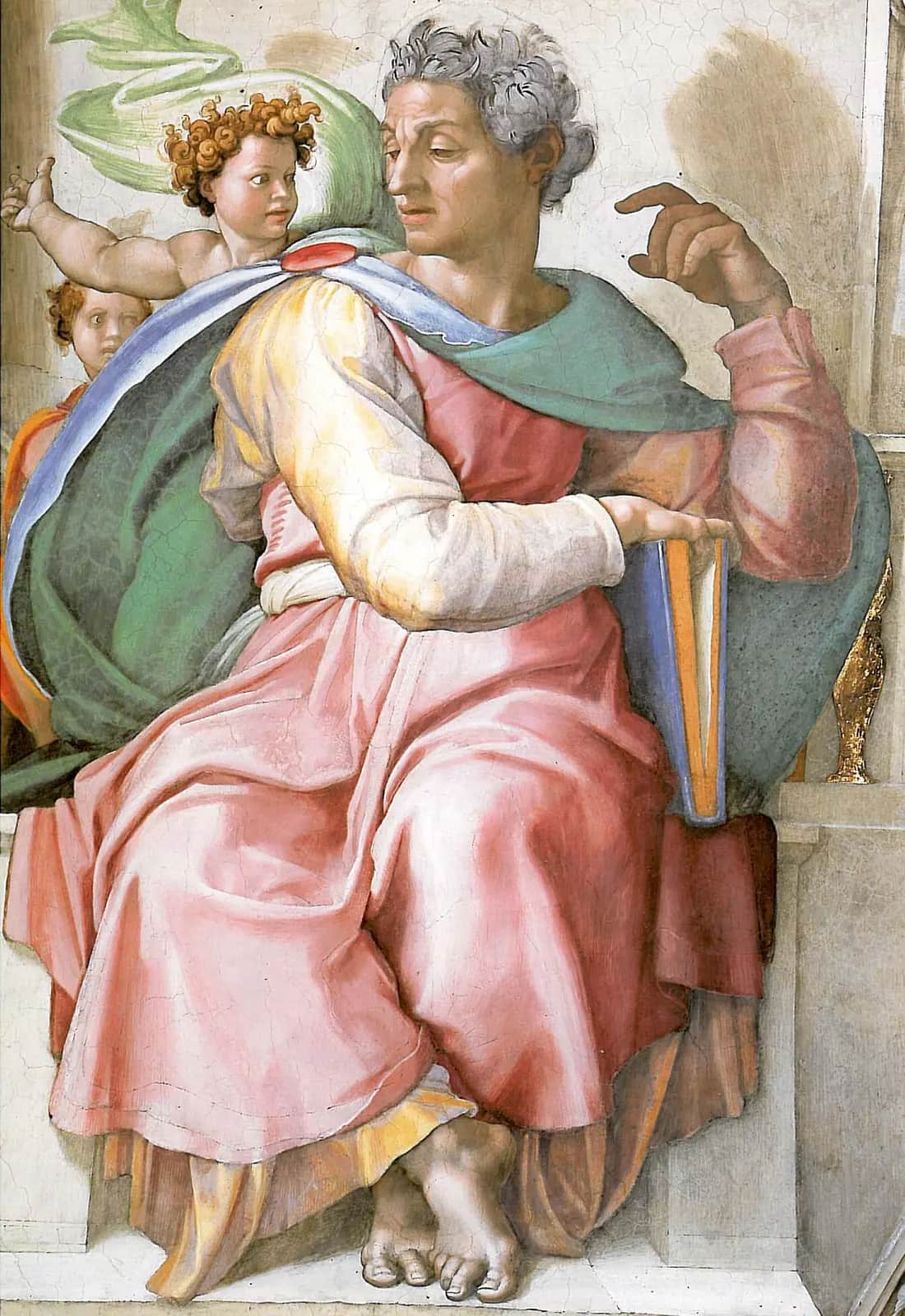
Pitre steps around the old debate over Isaiah 7:14 — the meaning of the 'sign,' the sense of 'almah, whether the child is Hezekiah or a future king — with one observation: 'However one interprets the prophecy, the maiden is the mother of the future king. As such, the mother of Immanuel would by definition also be the queen mother.' Then Micah: several scholars hold that Micah's prophecy of the woman who 'gives birth' to the Bethlehem ruler is based on Isaiah 7, which makes it 'the most ancient Hebrew interpretation of the birth of Immanuel that we possess' — and it reads Isaiah 7 of the Messiah, whose origin is 'from days of eternity' and whose human mother is 'she who gives birth.'
Key verses
- Isaiah 7:14 — the virgin bears Immanuel.
- Micah 5:2 — the ruler from Bethlehem, 'from everlasting'; 'she which travaileth' (v. 3).
The connection
| Old Testament root | New Testament fulfilment | |
|---|---|---|
| The mother of Immanuel — by definition the queen mother | → | Mary, mother of the Davidic Messiah |
The queen-mother argument does not depend on winning the argument over 'almah. Whoever the prophesied child is, his mother is a queen mother; and the earliest Jewish reader of Isaiah 7, the prophet Micah, took the child to be the Messiah.