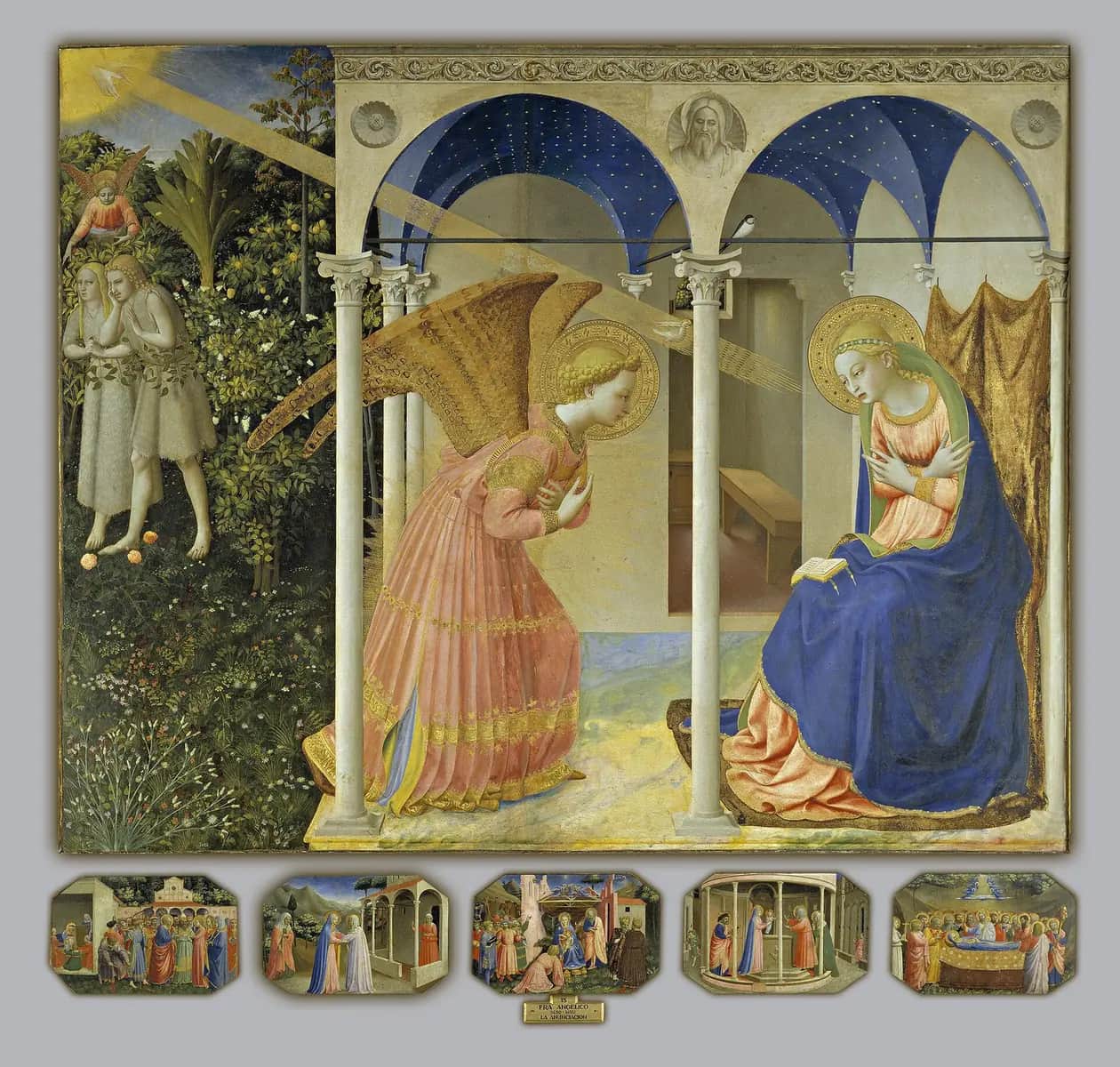
The idea
In Jewish law betrothal was already legal marriage — violating a betrothed woman counted as adultery. So Mary is effectively Joseph's wife when Gabriel comes. That makes 'How shall this be, since I do not know man?' pointed: an ordinary wife would expect children, so her words imply an intention to remain a virgin.
Key verses
- Luke 1:27 — 'a virgin betrothed to a man whose name was Joseph.'
- Deuteronomy 22:25 — relations between a betrothed woman and another man are adultery (22:25–27), the verses Pitre cites (p 93).
- Deuteronomy 22:23 — the betrothed virgin called 'his neighbour's wife' (22:23–24) (editorial cross-reference).
The connection
| Old Testament root | New Testament fulfilment | |
|---|---|---|
| Betrothal = legal marriage (Deut 22) | → | Mary's question implies a vow |
Betrothal in Jewish law was already binding marriage, so Mary is effectively Joseph's wife when Gabriel comes. That makes her puzzled question meaningful: a wife expecting normal marriage wouldn't ask it — unless she meant to remain a virgin.