The idea
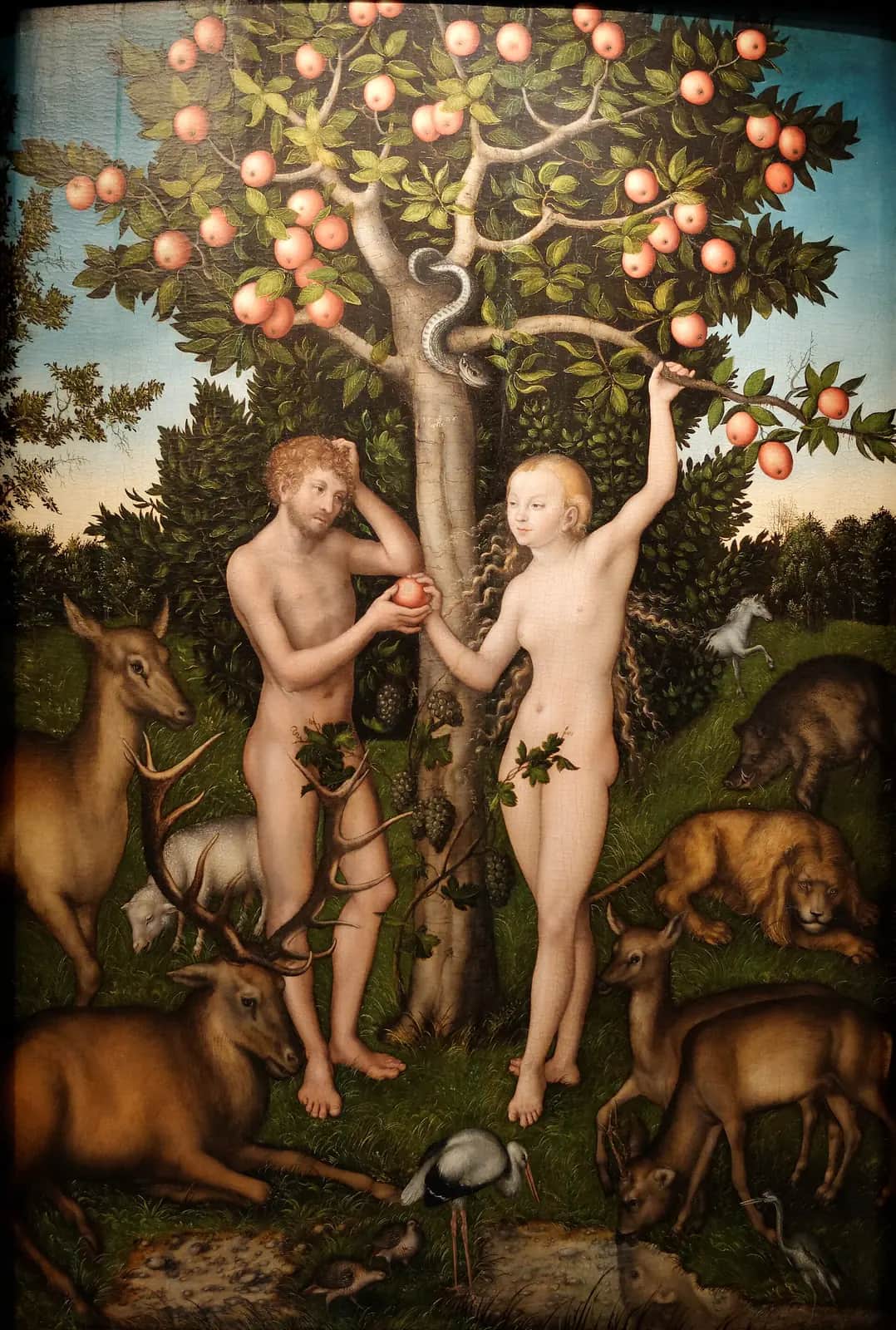
Pitre treats immortality as a second gift alongside moral goodness. God tells the couple they may 'freely eat' of every tree, which includes the tree of life whose fruit lets them 'live for ever.' Only after the fall are they barred from it. So Adam and Eve before the fall were fully human, sinless, and offered unending life; death is a loss, not the design. The point returns twice: a sinless Mary is no less human than unfallen Eve (p 39), and the incorruptible Ark points to a body kept from the grave (pp 46, 63).
Key verses
- Genesis 2:9 — the tree of life in the midst of the garden.
- Genesis 2:16 — 'thou mayest freely eat' — the tree of life included.
- Genesis 3:22 — 'lest he… live for ever' — the loss.
The connection
| Old Testament root | New Testament fulfilment | |
|---|---|---|
| Eve, created 'very good' and offered the tree of life | → | Mary, preserved from sin and from the corruption of the grave |
The Immaculate Conception and the Assumption are the two halves of the same restoration: what the first Eve was given and lost — sinlessness and incorruption — the New Eve is given and keeps.