The idea
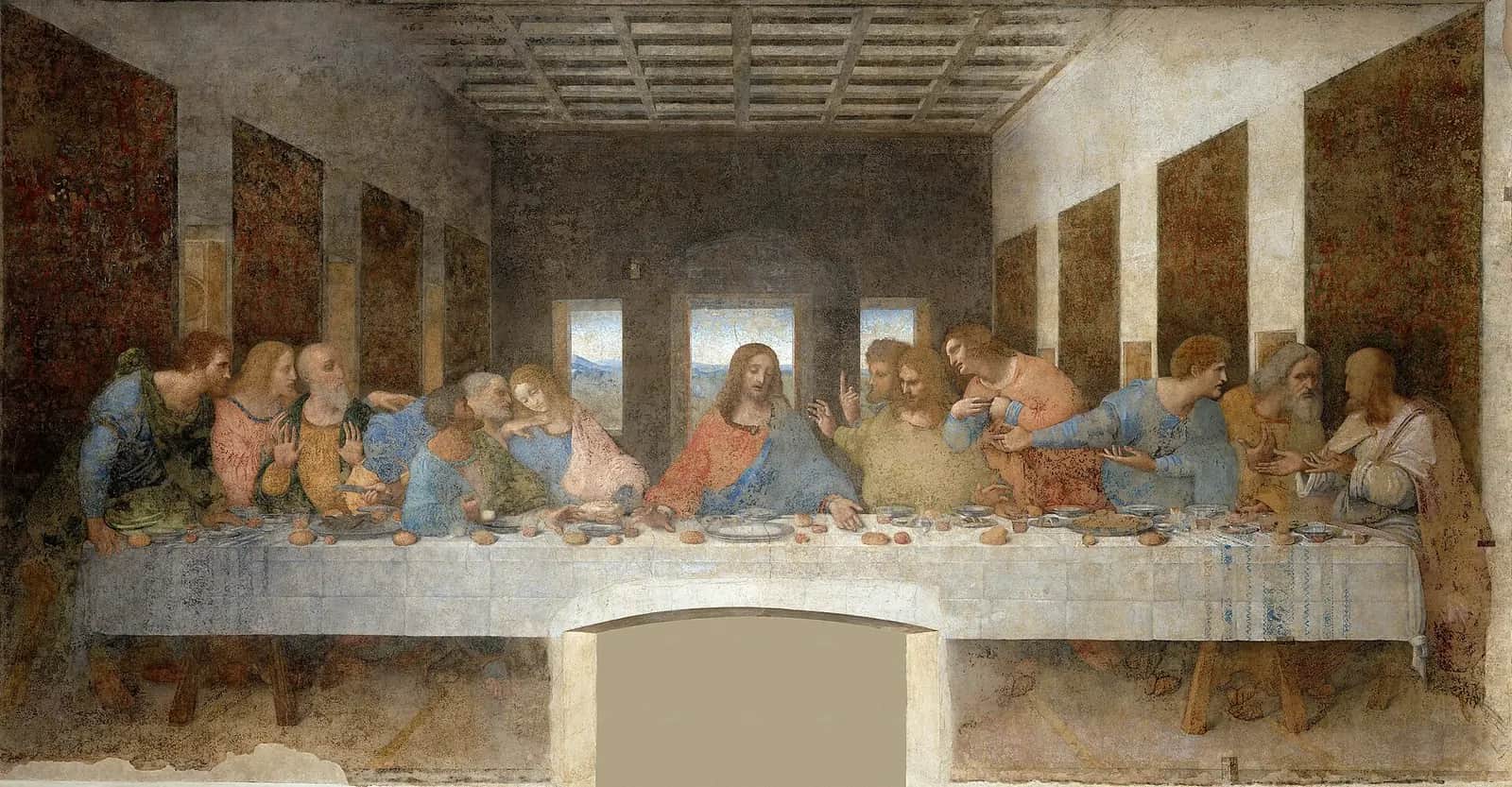
'Since ancient times, the Gospel of John has been referred to as the spiritual Gospel. One reason is that in it there's almost always a deeper spiritual meaning to Jesus' words and actions.' The beloved disciple is an 'ideal figure' (Bultmann) who 'symbolizes what every true disciple should aspire to be' (Brown), and the textual warrant is Jesus' own words at the Supper: 'that you bear much fruit, and so prove to be my disciples. As the Father has loved me, so I have loved you.' Hence the anonymity: 'he wants the reader to see himself or herself in the figure of the disciple whom Jesus loved.' Hoskyns: 'Mary, the Mother of the Lord, becomes the mother of the faithful, and the Beloved Disciple here seems to denote the ideal Christian convert.'
Key verses
- John 15:8 — 'so shall ye be my disciples… so have I loved you.'
- John 13:23 — the disciple whom Jesus loved.
- John 19:27 — 'Behold thy mother' — said to every disciple.
The connection
| Old Testament root | New Testament fulfilment | |
|---|---|---|
| The unnamed disciple whom Jesus loved | → | Every disciple who receives Mary as mother |
The step from 'the disciple' to 'every disciple' is not a devotional stretch; it rests on John's own habit of second meanings and on Jesus' statement that all his disciples are loved as he is loved by the Father.
Sources
- Eusebius of Caesarea — Church History 6.14.7 (p 163) · read
- Modern scholars Pitre cites — Rudolf Bultmann; Raymond Brown; Edwyn Hoskyns (p 163)