The idea
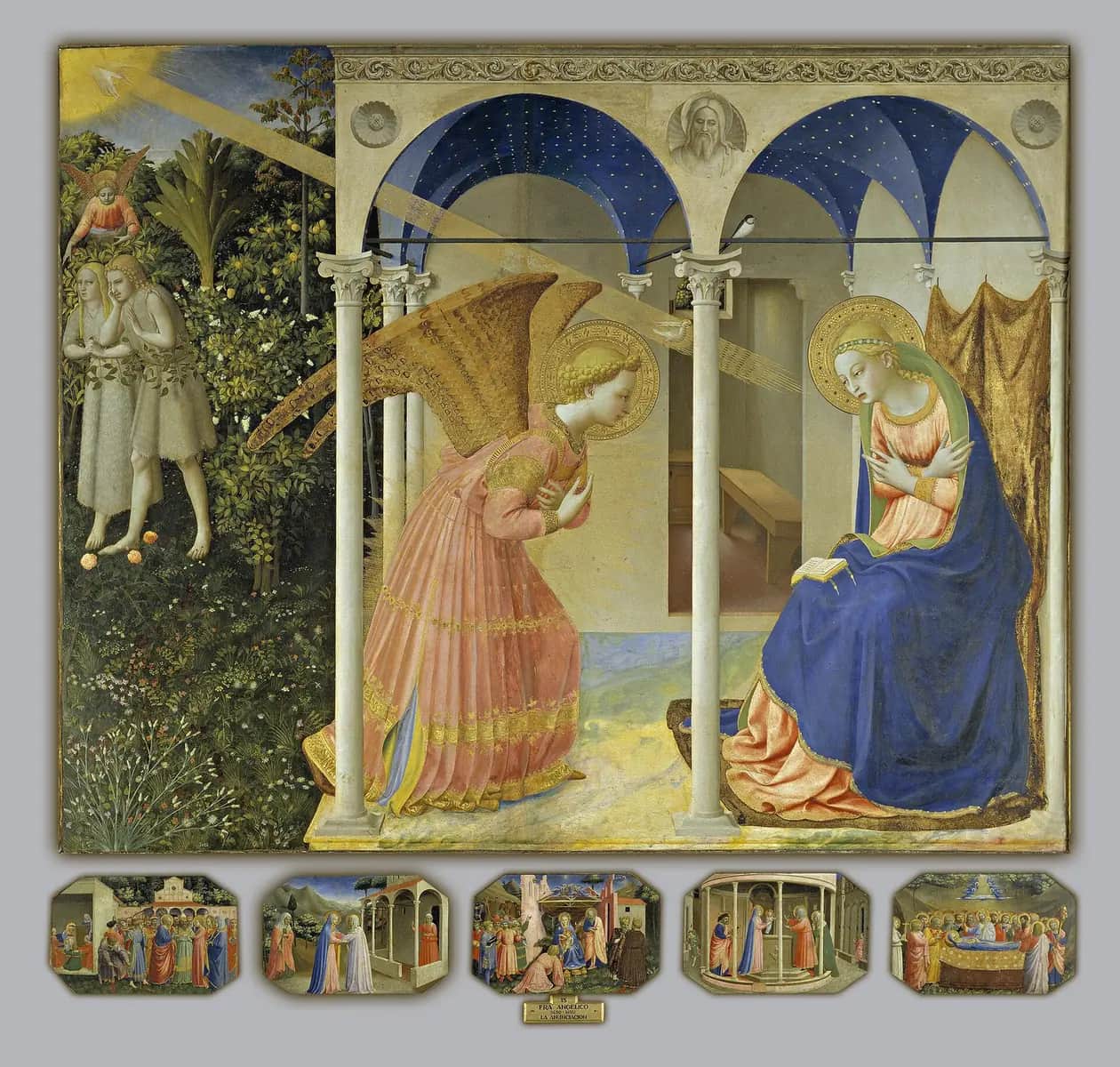
Pitre calls hostile witnesses. Gerd Lüdemann, whom he labels 'the atheist scholar': 'Mary's question is hard to reconcile with v. 27: a fiancée can hardly be surprised at the promise of a child even if she has as yet had no sexual intercourse with her fiancé.' Rudolf Bultmann: the question is 'an absurd one for a bride.' Both see the problem and neither accepts the obvious solution. Pitre names the two escape hatches: declare the question 'absurd,' or call it 'a literary device' to prompt Gabriel — 'they totally fail to explain the text as we have it.' The remaining question, why a woman intending virginity would marry at all, is answered by Numbers 30.
Key verses
The connection
| Old Testament root | New Testament fulfilment | |
|---|---|---|
| A betrothed woman expects children after the wedding | → | Mary asks how she will conceive at all |
That critics who deny the virginal conception still find the question inexplicable for a bride is Pitre's evidence that the vow reading is not special pleading: it is the only reading that makes Luke's sentence make sense.
Sources
- Modern scholars Pitre cites — Gerd Lüdemann; Rudolf Bultmann (p 94)