The idea
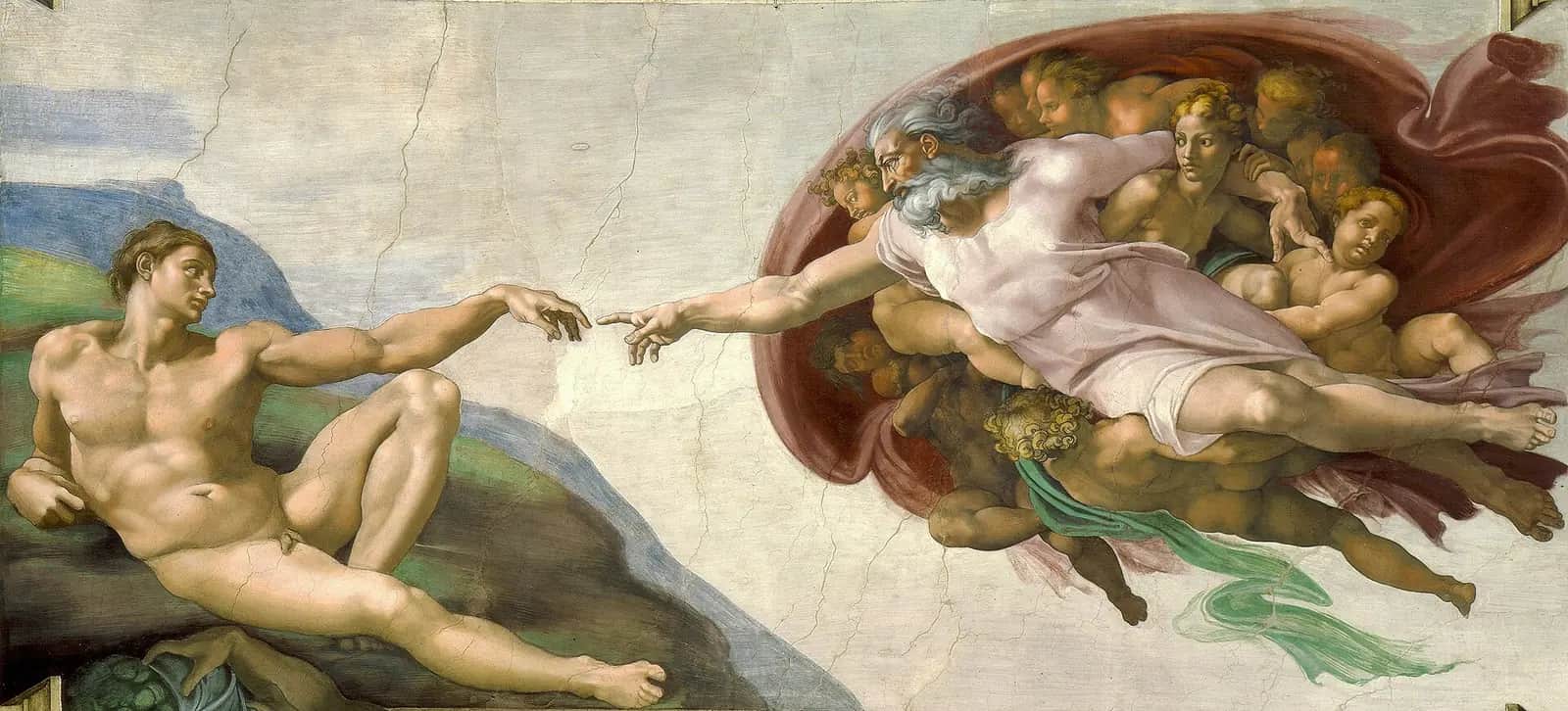
'It is a basic rule of Scripture that Old Testament prefigurations (known as types) are never greater than their New Testament fulfillments.' Adam prefigures Jesus, 'but Adam was not greater than Jesus (remember the Fall?)'; David foreshadows Christ, 'but David was certainly not greater than Christ (remember Bathsheba?).' Therefore: 'If Mary is really the new Eve, then she must be greater than Eve.' Eve was created 'very good,' without sin; so the New Eve begins without sin. And the corollary covers her whole life: 'if she had committed even one sin, then the old Eve would be greater than the new Eve.' Ephrem and Augustine state the exception, and Augustine is explicit that it is pure grace, 'not something she earns.'
Key verses
- Genesis 1:31 — Eve created 'very good' — the bar the fulfilment must clear.
- Genesis 3:15 — the New Eve of the protoevangelium.
- Luke 1:28 — 'highly favoured' — consistent with, but not the ground of, the doctrine.
The connection
| Old Testament root | New Testament fulfilment | |
|---|---|---|
| Eve created without sin, then falls | → | Mary preserved from sin, and never falling |
This, not the phrase 'full of grace,' is the argument. A typological rule applied to the Fathers' New Eve yields both the Immaculate Conception and lifelong sinlessness, and Augustine supplies the safeguard that it is grace, not merit.
Sources
- Ephrem the Syrian — Nisibene Hymns 27.8 (p 38) · read
- Augustine of Hippo — On Nature and Grace 42 (p 38) · read