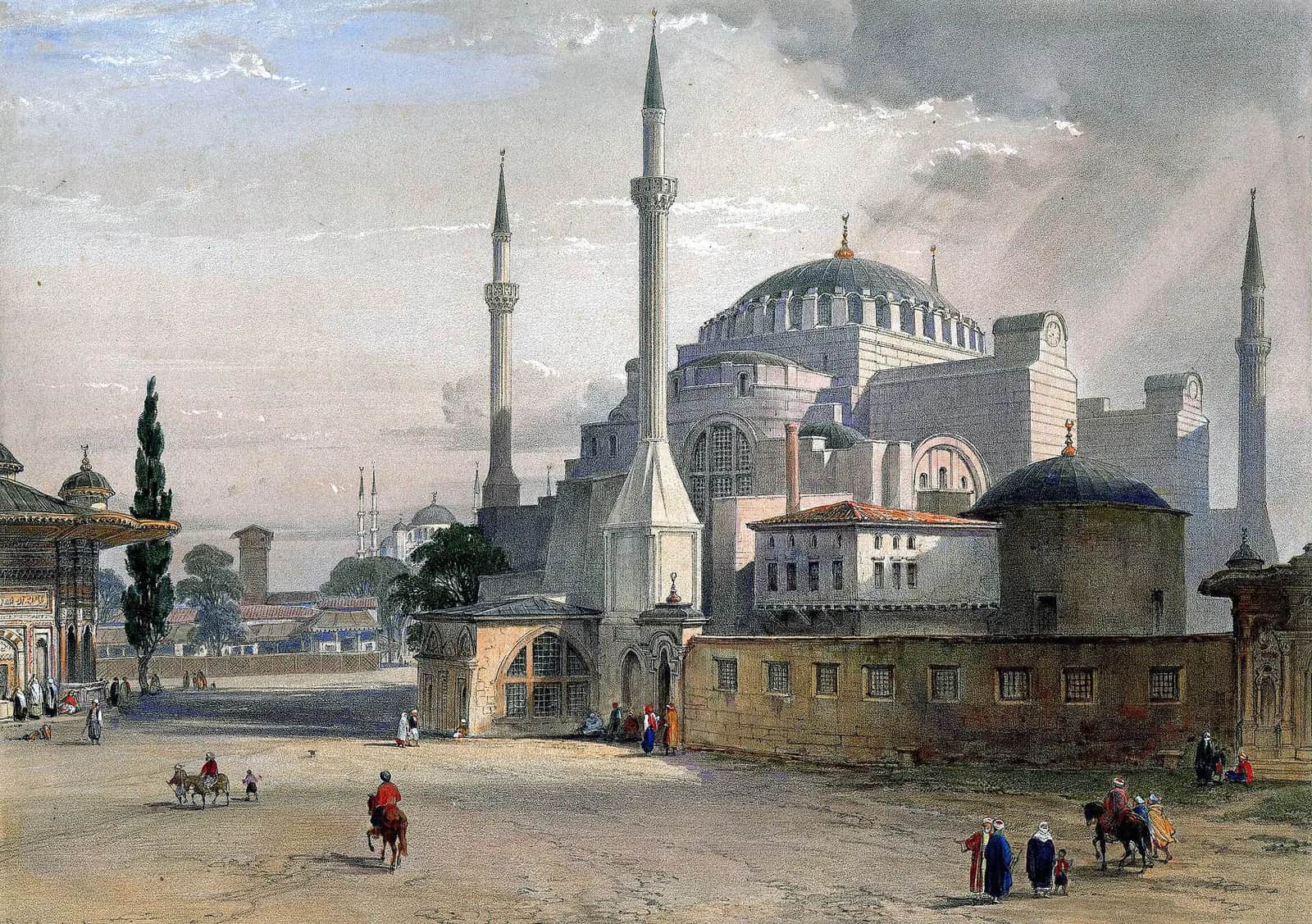
Who
The fifth ecumenical council, called by Justinian to condemn the "Three Chapters" (Theodore of Mopsuestia, Theodoret's writings against Cyril and the letter of Ibas) and to read Chalcedon in Cyril's terms; anathemas against Origenism are associated with it. Its anathemas speak of "the holy, glorious, ever-virgin Mary, Mother of God", the first time an ecumenical council calls her aeiparthenos, and the chain cites it for the perpetual virginity as the faith of the universal Church. Its own texts are on this site in Henry R. Percival's 1900 translation.
Contents
- Extracts from the Acts. Session I
- Extracts from the Acts. Session VII
- The Sentence of the Synod
- The Capitula of the Council
- The Anathemas Against Origen
- The Anathematisms of the Emperor Justinian Against Origen
- The Decretal Epistle of Pope Vigilius in Confirmation of the Fifth Ecumenical Synod. Historical Note
- The Decretal Letter of Pope Vigilius
- Editor's introduction and excursus
In Jewish Roots of Mary
Who
The fifth ecumenical council, at which Mary received the title 'Ever-Virgin' (Greek Aeiparthenos).
Quoted works
- Canons — Mary called 'Ever-Virgin' (Aeiparthenos) (p 114)
Quoted in
Editor's excursus · …
Session 1
Session 7
Matthew 16:13–19
The Anathemas Against Origen
The Anathematisms of the Emperor Justinian Against Origen
The Capitula of the Council
The Decretal Epistle of Pope Vigilius in Confirmation of the Fifth Ecumenical Synod. Historical Note
The Decretal Letter of Pope Vigilius
The Sentence of the Synod